
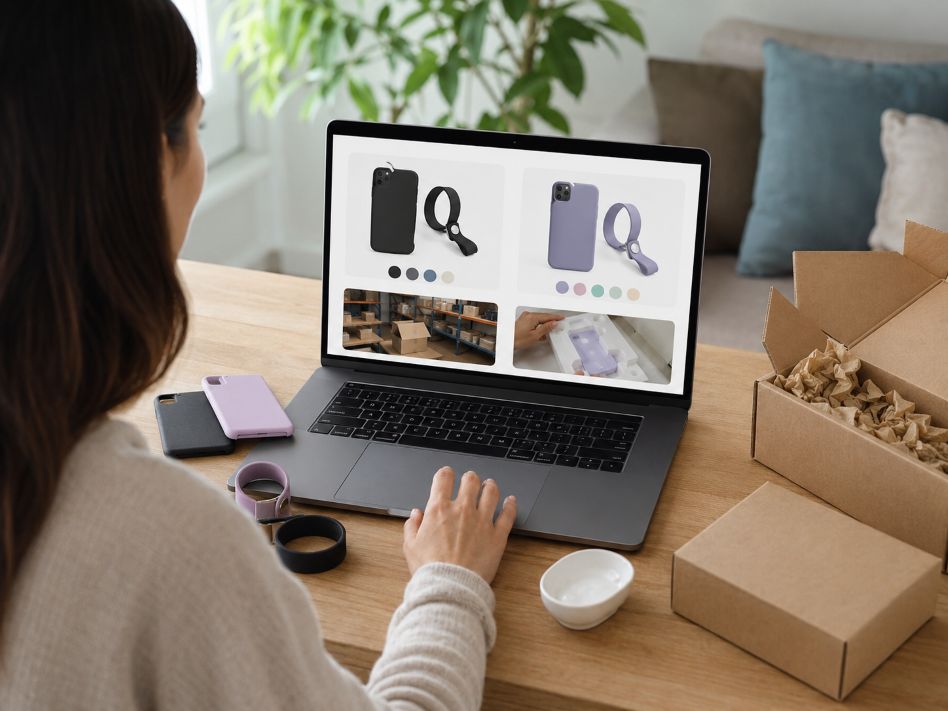
Specialized online retailers often face a product problem: their customers do not all want the same buying experience. Some shoppers care about price, speed, and convenience. Others are willing to wait longer and pay more for a product made around their preferences. For niche brands, serving both groups can require separate operating models.
Online stores offering grillz for sale provide a clear example. Rhino Grillz separates ready-made products from custom versions, giving buyers a choice between faster access and greater personalization. That structure reflects a broader e-commerce challenge. A retailer must decide how much inventory to hold, how much customization to offer, and how clearly it can set expectations before checkout.
Why Ready-Made Products Still Matter
Premade products solve an immediate problem for buyers who want something simple and available without a long production process. They are produced before the order arrives, so the retailer can ship from existing stock. This can make delivery more predictable, but it also requires the business to forecast demand and carry inventory.
Speed matters online. The DHL E-Commerce Trends Report 2025, based on 24,000 shoppers across 24 markets, found that delivery options strongly influence whether customers complete a purchase. DHL reported that 81 percent of shoppers would abandon a cart if their preferred delivery option was unavailable. This explains why ready-to-ship products can be valuable when convenience is a priority.
Rhino Grillz says its premade designs are already manufactured and are fitted with silicone molding bars shaped around the wearer’s teeth. The company also describes these products as using plated metals and standardized designs. Compared with a fully custom process, this reduces the production steps after checkout. The tradeoff is fewer choices over fit, material, and design details.
What Changes When the Product Is Made to Order?
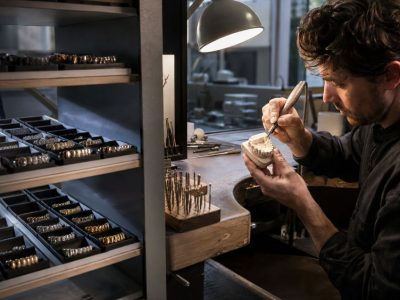 Customization changes the relationship between the buyer and the product. Instead of selecting only from finished stock, the customer provides information that influences production. For personalized dental jewelry, that can include an impression of the customer’s teeth, the number of teeth covered, the material, and the final design.
Rhino Grillz explains that its custom process begins with a molding kit. The buyer makes a dental impression and returns it so the piece can be produced around that mold. The company lists 10K, 14K, and 18K gold as well as sterling silver. It also states that the full process can take several weeks. Those extra steps create a closer fit and design flexibility, but they also raise expectations around communication and turnaround time.
The broader appeal of personalization is well documented. Research from McKinsey & Company found that 71 percent of consumers expected personalized interactions from companies, while 76 percent said they became frustrated when personalization was missing. The research covers the overall customer experience rather than custom manufacturing alone, but it helps explain why some buyers value products matched more closely to individual preferences.
Lower Inventory, Longer Lead Times
From the retailer’s side, made-to-order production can reduce the need to stock every possible variation. Shopify describes on-demand manufacturing as a system in which production begins after an order is placed. This can lower the risk of excess finished inventory and make it easier to offer more variations without storing each one in advance.
That benefit comes with another challenge. Customers must accept a longer wait. The business also needs a reliable process for collecting specifications, checking molds or measurements, producing the item, and keeping the buyer informed. A standard product has fewer variables. A personalized product creates opportunities for mistakes, delays, or mismatched expectations.
Price Reflects More Than the Material
The price difference between premade and custom products is not simply a matter of charging more for personalization. It can reflect materials, labor, order handling, production time, and the amount of individual work required. Ready-made goods can spread production costs across larger batches. Custom items often involve smaller runs or one-off work.
This is why comparing the two models only by price can be misleading. A budget-focused shopper may see greater value in a standardized item that arrives sooner. Another buyer may prefer to spend more for a particular metal, design, or fit. For retailers, reducing friction for online shoppers means making these differences clear before checkout, including what customers can expect in terms of price, production time, customization, and delivery.
Two Buyer Priorities, One Product Category
A two-tier product strategy gives niche retailers room to serve different purchasing priorities without forcing every customer into the same path. Premade products can address affordability, simplicity, and faster fulfillment. Custom products can address fit, material choice, and personal expression.
Neither approach is automatically better. Their value depends on what the buyer cares about most and what the retailer can deliver consistently. For specialized e-commerce brands, the advantage may come from offering a choice. When price, production time, materials, and customization are explained honestly, customers can decide which tradeoffs make sense for them.