
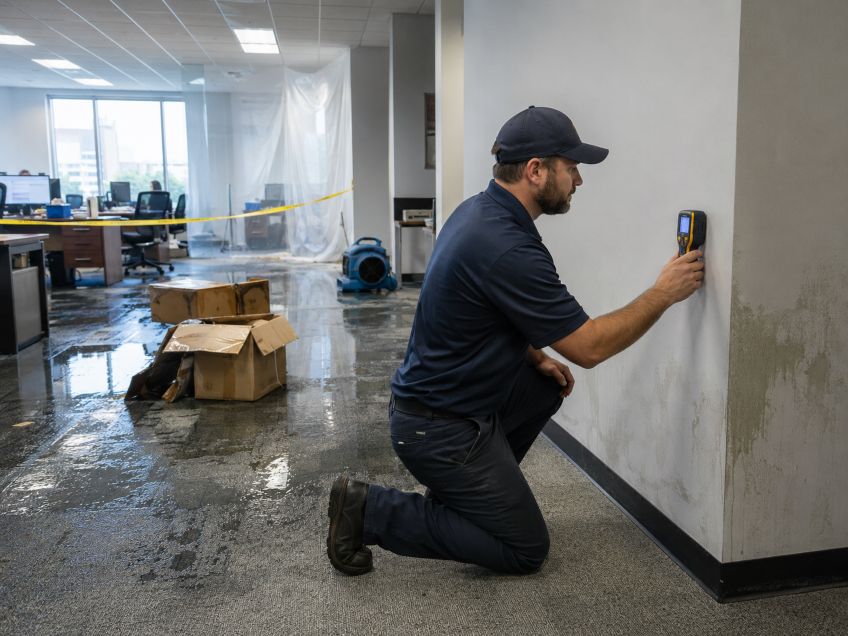
Water can disrupt a business within minutes. A burst pipe, roof leak, appliance failure, or flood can make work areas inaccessible. Inventory may be soaked. Computers and equipment may stop working. Even after the water source is controlled, staff, customers, deliveries, and normal workflows may remain affected.
For businesses in a humid state, recovery does not end when visible water disappears. A structured process such as water damage restoration Georgia may include extraction, moisture checks, structural drying, repairs, and documentation before spaces return to use. The University of Georgia describes the state as having a humid, subtropical climate, while UGA Cooperative Extension stresses that moisture control is central to limiting mold growth.
Why Visible Cleanup Is Only the First Step
Water can travel beyond the area where it first appears. It may soak carpet backing, drywall, wood, insulation, subfloors, and wall cavities. The U.S. Environmental Protection Agency says wet materials should generally be dried within 24 to 48 hours to reduce the chance of mold growth. Its commercial-building guidance also identifies extraction, dehumidification, and air movement as common drying measures.
This creates a business problem as well as a building problem. A room may look usable while moisture remains under flooring or behind walls. Reopening too early can lead to additional repairs and another interruption if hidden damage is discovered later. Careful assessment helps managers understand the real scope of recovery before setting reopening dates.
Step 1: Document the Damage
Start by recording what happened, provided the area is safe to enter. Photograph affected rooms, equipment, stock, furniture, ceilings, floors, and visible water lines. Make a list of damaged property and note when the incident was discovered.
The Insurance Information Institute recommends photos or video, an inventory of damaged items, and organized receipts and claim records. This documentation can help explain property losses and extra expenses caused by the interruption.
Step 2: Stop the Source and Extract Water
The next goal is to prevent more water from entering the property. That may mean shutting off a supply line, addressing a roof opening, or dealing with a failed appliance. Electrical hazards or contaminated water can make some areas unsafe, so access may need to be restricted.
Standing water should then be removed. Guidance from the U.S. Environmental Protection Agency identifies water extraction as part of the response for affected carpet, concrete, and other materials. Removing bulk water quickly creates better conditions for controlled drying.
Step 3: Find Hidden Moisture
Drying should be based on what is actually wet, not just what looks wet. Moisture meters and other assessment tools can help locate damp areas in walls, floors, and concealed building spaces.
UGA Cooperative Extension recommends checking for discoloration, sagging, wet spots, condensation, and damp material beneath flooring. It also advises measuring indoor humidity. These checks help determine which materials may be dried and which need closer assessment.
Step 4: Dry the Structure
Once standing water is gone, the structure may still hold moisture. Air movement and dehumidification can help pull that moisture from materials and lower indoor humidity.
The U.S. Environmental Protection Agency calls moisture control the key to mold control. Its commercial guidance recommends dehumidifiers and air movement for several types of water-damaged materials. Some absorbent materials may need replacement when they cannot be dried properly or when contamination is involved.
Step 5: Assess Repairs and Temporary Operations
After drying, assess what remains usable. Flooring, drywall, insulation, shelving, fixtures, and equipment may need repair or replacement depending on their condition and the type of water involved. Once damaged flooring has been restored, a plan for ongoing floor maintenance can also help businesses keep high-traffic areas clean, presentable, and easier to monitor for future problems.
At the same time, consider how operations can continue. Could one area reopen while another stays closed? Can staff work elsewhere? Is temporary equipment needed? These decisions can reduce downtime without placing normal activity back into damaged areas too soon.
Step 6: Plan the Return to Normal
Reopening should happen when the space is dry, safe, and functional for its intended use. Businesses may also need to restore IT systems, replace inventory, test equipment, update customers, and coordinate suppliers.
Ready.gov recommends including communications, IT recovery, emergency response, and continuity planning in business preparedness. A return plan should therefore cover the building, employees, technology, suppliers, and customers.
Business Continuity Starts Before the Next Incident
A water event can reveal gaps that are easy to overlook during normal operations. Businesses can use the experience to improve emergency contacts, property inventories, insurance records, vendor lists, and internal response procedures.
Ready.gov advises organizations to identify essential functions and protect important continuity records. The Insurance Information Institute also recommends keeping records needed for property and business-income claims. Having these materials accessible can make future recovery more organized.
Water removal is only one part of getting back to business. Documentation, moisture assessment, structural drying, repair planning, and continuity procedures create a clearer path from disruption to normal operations. The stronger the preparation before an incident, the easier it becomes to make informed decisions when every hour of downtime matters.